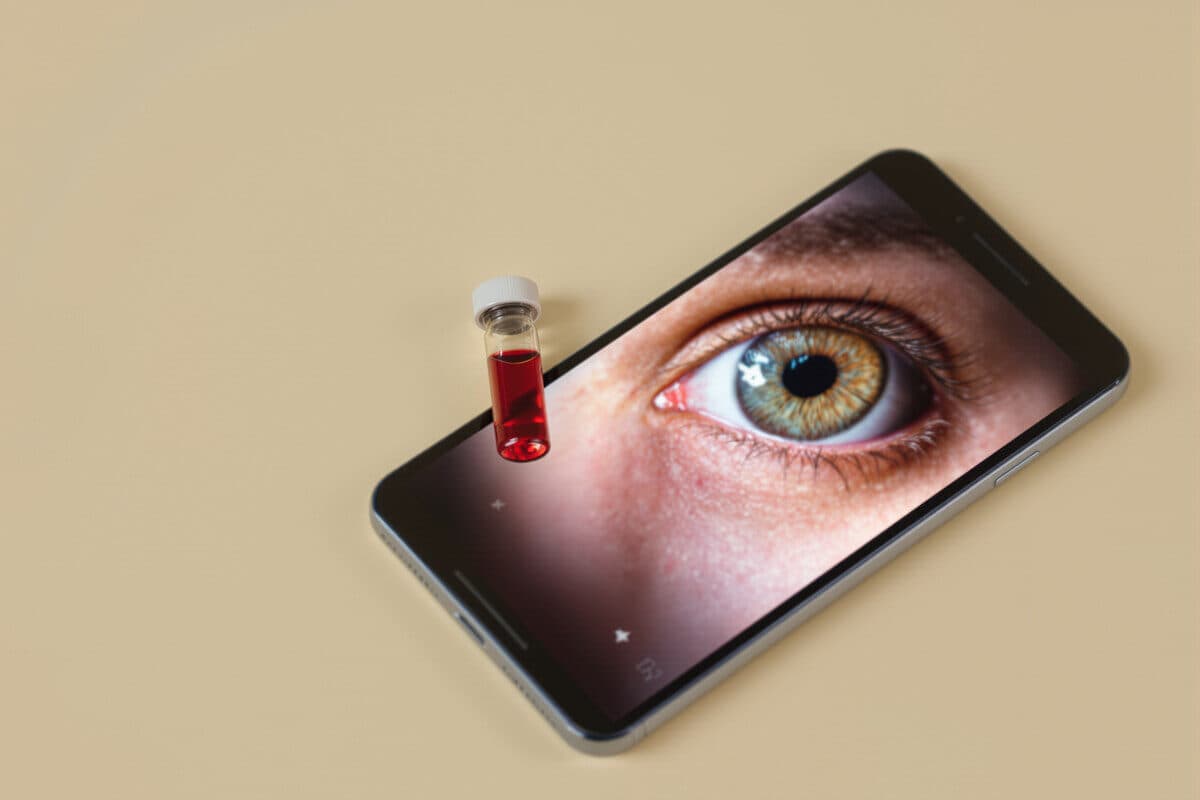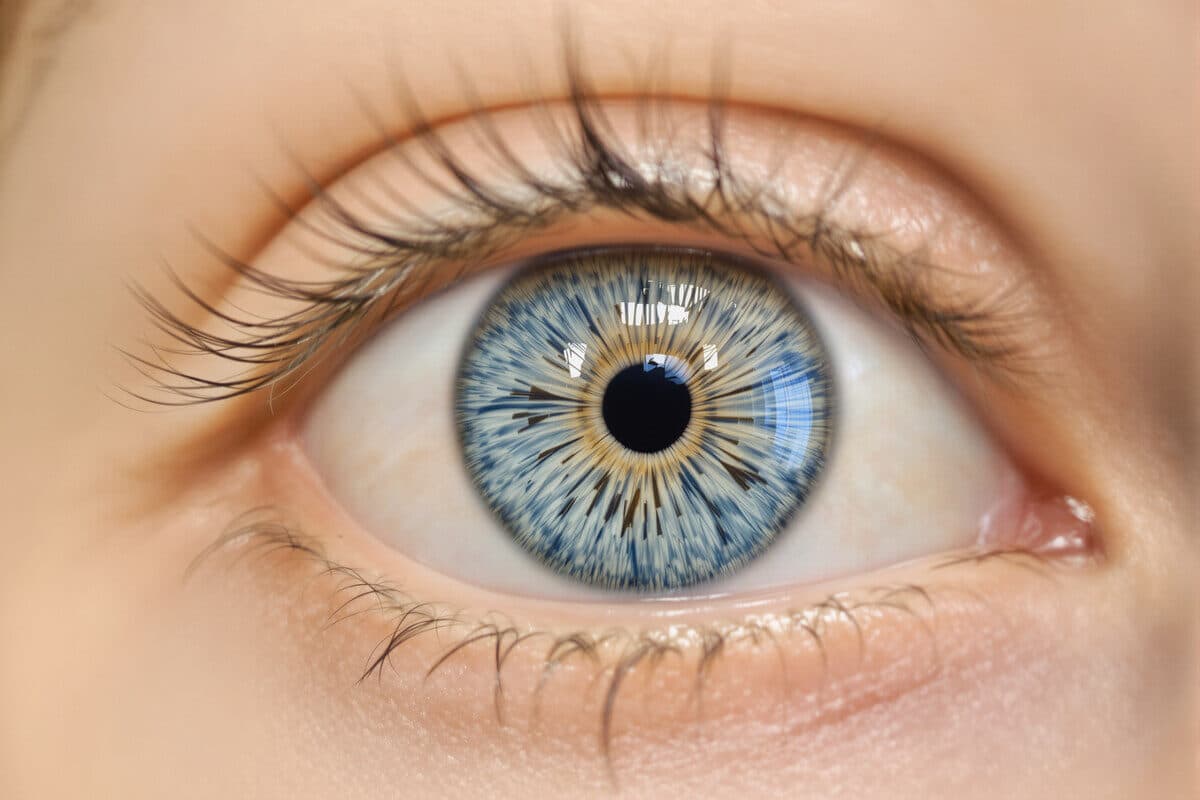
Iridology is the practice of reading the iris, the coloured ring of your eye.
I built Iridology so anyone with a phone can get a reading in about a minute.
Here's what it is and how it works.
What is iridology?
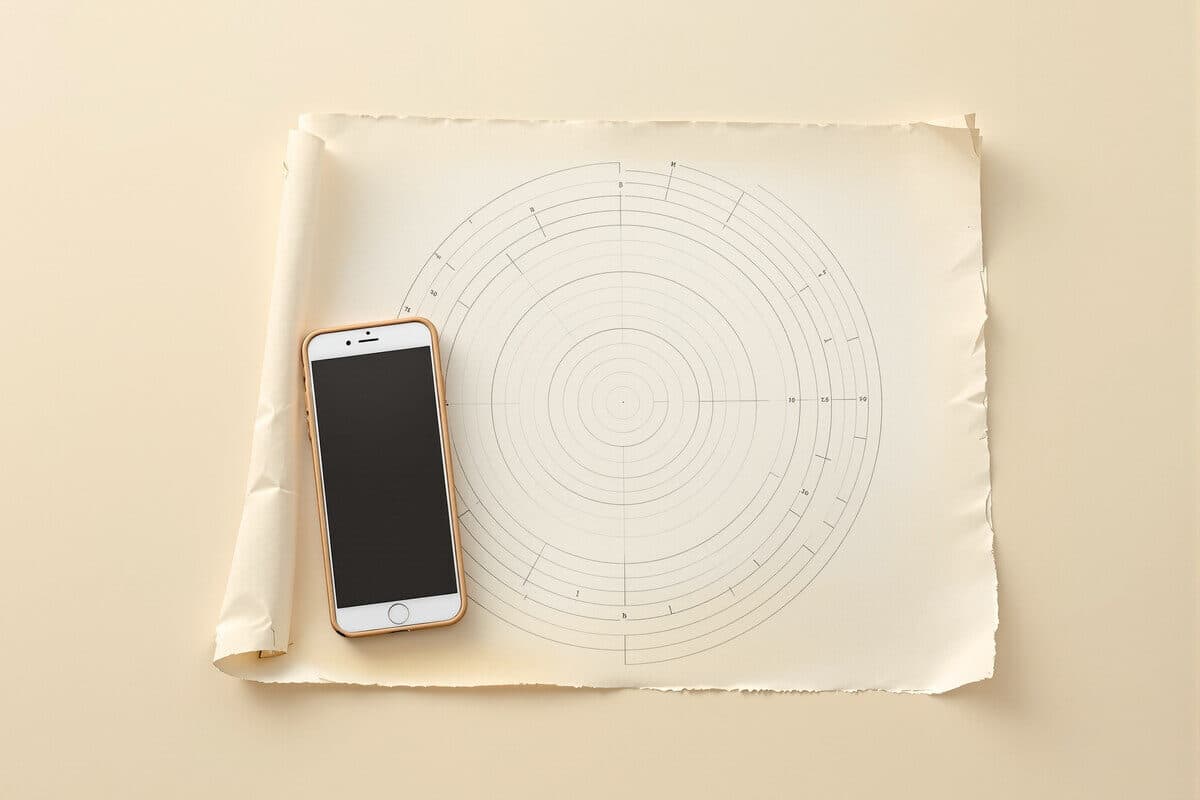
An iridologist reads your iris against a chart.
The chart splits the iris into zones, and each zone is linked to a part of the body, like the stomach, the lungs or the skin.
A practitioner looks at the fibres, the colour and the marks in each zone.
They read them as signs of how that system is built and how it's holding up.
The three things a reader looks at
- Zones: where on the chart a feature sits.
- Colour: flecks and patches of pigment, read as long-term tendencies.
- Fibres: how dense and even they are, read as your basic constitution.
The personality side
Behavioural iridology reads the same iris for character.
It sorts people into four types: Jewel, Flower, Stream and Shaker.
Every Iridology reading includes yours.
What AI changes
A practitioner's eye is good, but two practitioners can read the same iris differently.
AI reads every photo against the same chart and the same rules.
Here's what happens when you scan:
- A quality check scores each photo, and a blurry or dark one gets retaken.
- A vision model reads both irises against a fourteen-system chart and the four personality types.
- Every finding has to point at something you can see in your own photo.
- You get your reading in plain English, free to start.
Learn more
If you want to train as a practitioner, Trinity School and Core College are good places to start.
For a practitioner's view, read Iridology Scotland and Melanie Olde Natural Health.
The evidence, and where we stand on it, is on our research page.
Or skip the reading list and get a free reading.