If you're reading this, you already track something.
Maybe it's your sleep score on an Oura ring, your HRV on WHOOP, or your macros in Cronometer.
Those tools are great at what they do.
But almost everything they measure moves from one day to the next.
Sleep swings.
HRV reacts to stress, alcohol and training.
Your food log resets every morning.
What most stacks are missing is something slow: a reference point that doesn't change overnight.
That's why I think the iris belongs in your stack.
The slow layer
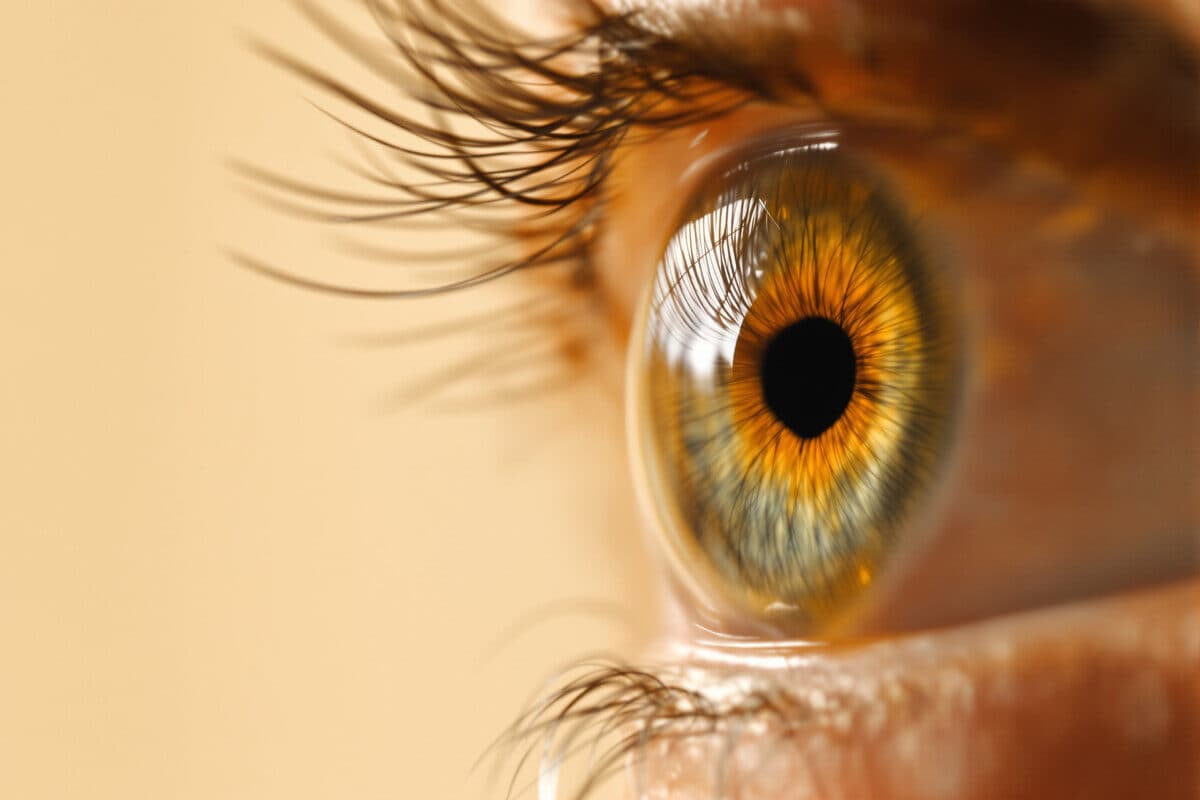
Iridology reads the structure of your iris: the fibres, the pigment, the rings and the small gaps in the texture.
Iridologists read those features as a map of your constitution, where your body is built strong and where it tends to carry strain.
Your iris barely changes from one month to the next.
That's the point.
Your Oura ring tells you last night's deep sleep was 1.2 hours.
WHOOP tells you recovery is at 68%.
Neither one tells you which systems your body has always leaned on hardest.
An iris reading gives you that frame, and your daily numbers fill it in.
How I'd use it
Take one good reading, then let your other tools test it.
Here's what a week can look like.
Monday morning.Your Oura shows a sleep score of 82, a resting heart rate of 45 and an HRV a little under your average.
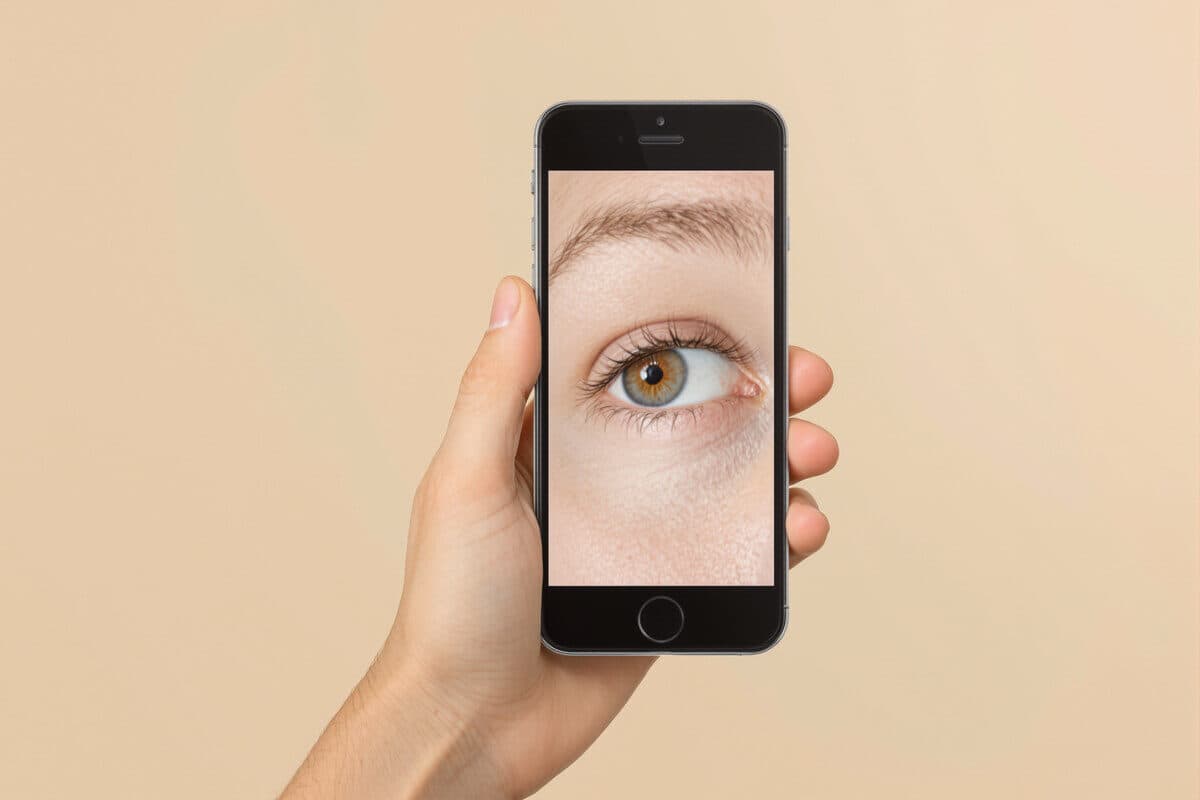
You sit by a window in natural light and take a photo of each eye.
About a minute later, your reading is ready.
Say it points at strain in the digestive zone and scores your overall constitution well.
Now you have a hypothesis for the week.
Maybe you've suspected for a while that dairy bloats you, and you never tested it.
This is the week you do.
Tuesday to Friday.Keep tracking as normal.
Cronometer logs the dairy-free meals.
WHOOP recovery climbs from 72% to 81% by Thursday.
It could be the elimination, better sleep, or both.
Friday evening.Put the week next to Monday's reading.
The digestive note and the dairy result line up.
That's not magic.
It's one slow signal asking a question, and your fast signals answering it.
What to stack it with
Oura Ring.Oura is excellent at sleep, temperature trends and resting heart rate.
If your reading points at the nervous system and your HRV keeps running low, take your recovery seriously.
WHOOP.WHOOP's recovery score is one of the best composite numbers in wearables.
When recovery dips and you can't explain why, your reading gives you a place to start looking.
Cronometer.For food logging, Cronometer is the best tool going.
Pair a digestion note in your reading with two weeks of honest logging, and you'll learn a lot.
Garmin.Garmin gives endurance athletes HRV status, training load and VO2 max estimates.
Your reading adds the long view to those numbers.
Withings and InBody.Body composition scales show what your changes actually did.
Treat them as the scoreboard, and your reading as one of the places your ideas come from.
Apple Watch.The Apple Watch covers activity, blood oxygen and ECG.
Take its alerts straight to your doctor, because an iris reading doesn't change what they mean.
Blood work.Blood panels are the hard numbers, and nothing in this stack replaces them.
If your reading keeps pointing at one system, bring it up at your next checkup and ask what's worth testing.
Keep a simple log
Biohacking runs on spreadsheets, so give your reading a row.
- Write down your baseline: the date, each eye, each zone the reading mentions, and what it said.
- Keep a weekly sheet with sleep score, recovery, HRV, resting heart rate, training load, weight and a 1-to-10 energy score.
- After 8 to 12 weeks, look for patterns between the zones your reading named and the weeks your numbers moved.
- Drop the metrics that tell you nothing, and keep the ones that do.
If you code, pull your Oura, WHOOP and Cronometer exports into one dashboard and add your reading's notes as annotations.
Patterns jump out much faster on a chart than in rows.
What it won't do
A reading isn't a medical test, and it won't tell you that you have any disease.
If something feels wrong, see your doctor.
Two practical things matter more than anything else.
Take your photos the same way each time: same window, same distance, same time of day.
And don't re-scan every week expecting your iris to move, because it changes over years and small score shifts between runs come from the model, not from you.
My take
You don't need iris analysis to run a good stack.
Plenty of people do great with a wearable, a food log and regular blood work.
But if you want every signal you can get, the iris is the one your stack is missing.
It's slow data in a world of nightly scores, and that's exactly why it's useful.
Take a reading, write it down, and give it twelve weeks next to your other numbers.
Then decide for yourself.