Getting health data used to mean a waiting room and a needle.
You still need that sometimes, and blood work isn't going anywhere.
But a lot can now be tracked from home, on your own schedule, without breaking the skin.
That's non-invasive health analysis: anything that gathers data about you without a needle, an instrument inside your body or a lab sample taken the hard way.
Some of it is already on your wrist.
The rest uses your phone camera, your breath or a bit of saliva.
I don't think the question is whether these tools work.
Some of them work very well.
The real question is what each one is good for, and how to fit them into a routine you'll actually keep.
The four kinds of non-invasive tools
Most of them fall into four groups: wearables, photo-based analysis, breath analysis and saliva testing.
Each one is good at something different.
Wearables: data from your wrist, finger and ear
Wearables have moved way past counting steps.
They now track heart rate variability, blood oxygen, skin temperature and sleep.
Their real edge is that the data never stops.
A blood draw is a snapshot.
A wearable is a movie.
Oura Ring sits on your finger and measures heart rate, heart rate variability, blood oxygen, skin temperature and movement.
It's best at sleep staging and a daily readiness score, and because it's a ring, people actually keep it on.
WHOOP sells a membership that includes the strap.
It's built around strain, recovery and sleep, for people who train hard and want to see what it costs them.
Withings makes a whole set: the ScanWatch, which tracks heart rate, ECG, blood oxygen and sleep in a watch that looks analog, plus connected scales, blood pressure monitors and thermometers.
Its Body Comp scale measures weight, body composition, heart rate and vascular age in about thirty seconds.
No consumer wearable matches clinical equipment on any single number.
The trends over weeks and months are where they earn their keep.
A falling resting heart rate, or a long dip in heart rate variability, is worth paying attention to.
Photo-based analysis: your phone camera as a health sensor
This is the group that has moved fastest.
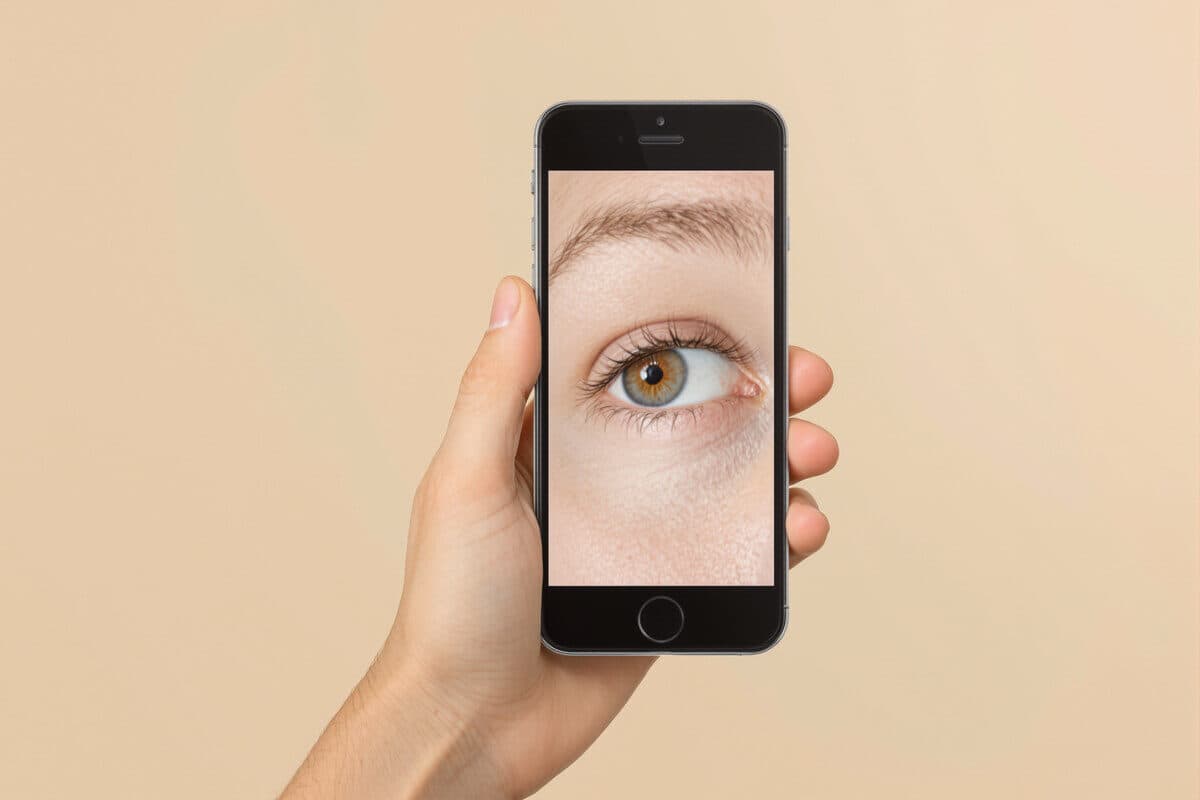
Phone cameras, and the models behind them, are now good enough to pull real health data out of a picture.
SkinVision checks photos of moles and skin spots for signs of melanoma, squamous cell carcinoma and other skin conditions.
It has been validated in clinical studies and holds a CE mark as a medical device in Europe.
It doesn't replace a dermatologist, but it helps you decide whether a spot needs one.
Binah.ai measures heart rate, blood oxygen, breathing rate, heart rate variability, stress and blood pressure from a thirty-second video of your face.
It uses rPPG (remote photoplethysmography): blood absorbs light differently from the skin around it, and a good camera can see the tiny color changes as it flows.
Photo tools need nothing you don't already own.
The catch is conditions, because bad light, movement and skin tone can all throw them off.
Breath analysis: what your breath gives away
Breath has been studied for decades, but consumer devices are new.
Your breath carries compounds that reflect your metabolism, and a device can read some of that.
Lumen is a small handheld device you breathe into after waking up and before meals.
It measures your respiratory exchange ratio (RER), which shows whether you're mostly burning carbs or fat, and the app turns that into food suggestions.
It works on the same principle as clinical metabolic testing, called indirect calorimetry.
It's less precise than a lab metabolic cart, but studies have shown it tracks closely enough for everyday food choices.
For now, fuel tracking is the most mature thing a breath device does.
Saliva testing: hormones, cortisol and DNA
Saliva sits between a wearable and blood work.
You do collect a sample, but it's painless and you do it at home.
Home kits cover cortisol (the stress hormone), testosterone, estrogen, progesterone and DNA.
Companies like Everlywell send you a kit: you spit in a tube, mail it to a lab, and get your results in an app.
Hormone accuracy is generally good, but cortisol swings through the day, so timing matters.
If your wearable says your heart rate variability is low and you suspect stress, a cortisol test is a more specific next step.
The routine I'd build
No one tool covers everything.
Here's a routine that mixes them without eating your day:
- Morning: a Lumen breath reading before breakfast, about two minutes.
- All day: Oura Ring or WHOOP for heart rate, HRV and sleep, with no effort at all.
- Weekly: a SkinVision check on any mole or spot that has changed.
- Monthly: a Withings weigh-in and blood pressure check.
- Now and then: a saliva hormone test or a Binah.ai check for a deeper data point.
- Once, and again whenever you're curious: an iris reading, for a look none of the others give you.
Consistency is what makes any of this useful.
A two-minute habit you keep is worth more than a gadget in a drawer.
Where iris reading fits
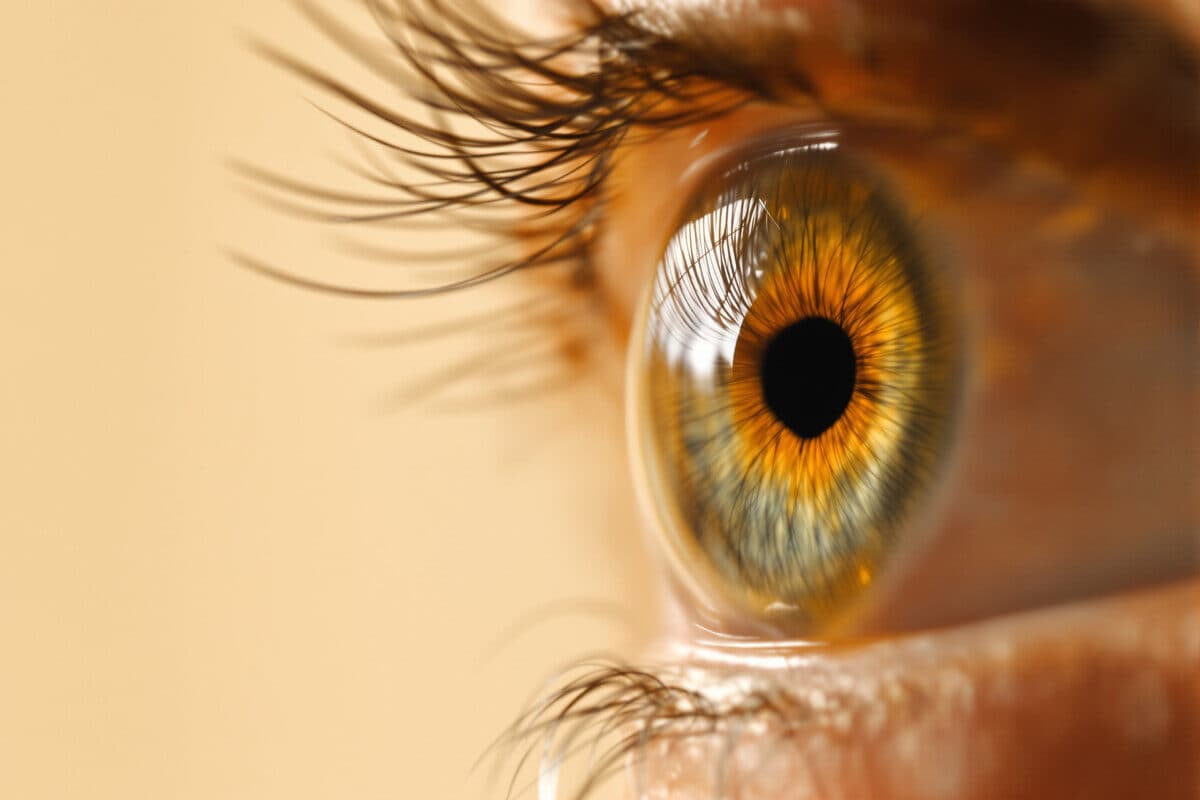
Iris reading, or iridology, is the photo-based tool I care about most, because it's the one I built.
Iridology reads the fibers, colors and marks of the iris against a chart that maps each zone to a body system.
It has been practised and refined for well over a century.
Our reading takes a photo of each eye, checks that both are clear enough, and reads them against a fourteen-system chart and four personality types.
Every finding has to point at a mark you can see in your own photo.
It gives you something the rest of this list doesn't: a picture of how you're built, not a log of how today went.
A reading isn't a medical test.
If something feels wrong, see your doctor.
Next to SkinVision and Binah.ai, it's another camera-based look, and a different kind of data from a ring or a breath device.
Comparison table
| Method | Example tools | Cost | Setup | What it tells you | Invasiveness |
|---|---|---|---|---|---|
| Wearable ring | Oura Ring | $299-349 + subscription | None, wear it | Sleep, HRV, recovery, skin temperature | None |
| Wearable strap | WHOOP | $30/month, device included | None, wear it | Strain, recovery, sleep staging | None |
| Watch and scale | Withings | $150-400 | Quick pairing | Heart rate, ECG, body composition, blood pressure | None |
| Photo skin check | SkinVision | ~$10/month | Download the app | Skin lesion risk assessment | None |
| Photo vital signs | Binah.ai | Enterprise pricing | Open the camera | Heart rate, SpO2, HRV, stress, blood pressure estimate | None |
| Breath | Lumen | $249-349 + subscription | Breathe into it | Metabolic fuel, carbs or fat | None |
| Saliva | Everlywell | $50-200 per test | Collect a sample and mail it | Cortisol, sex hormones, DNA | Minimal, a saliva sample |
| Iris reading | Iridology | Free reading, full report from $19 | Photograph each eye | Iris patterns by body system, personality type | None |
Questions people ask me
Can these tools replace blood tests?
No.
Blood tests are still the standard for clinical numbers.
These tools are for trends, and for the days between doctor visits.
Which wearable should I get if I only want one?
For sleep and recovery, get an Oura Ring.
For training load, get a WHOOP.
If you also want blood pressure and body composition, Withings has the most complete set.
How reliable is photo-based analysis?
It depends on the tool and the light.
SkinVision has clinical validation as a medical device.
Binah.ai has published studies showing strong correlation with clinical measurements.
Both need good light and a steady camera.
Can breath analysis really tell me what my body is burning?
Yes, within limits.
Lumen's respiratory exchange ratio tracks whether you're mostly burning carbs or fat.
It's less precise than a clinical metabolic cart, but accurate enough to guide what you eat.
Is iris reading scientifically validated?
Not in the clinical sense, and I won't pretend it is.
The patterns in your iris are real, and you can see each one in your own photo.
What they say about your body is what iridology has argued for over a century, and I think it deserves a proper test.
We're setting up our own research study, and people who scan will be able to opt in.
The bottom line
Non-invasive health tracking isn't a gimmick, and it isn't a replacement for your doctor.
It's a layer of everyday data that helps you notice things and decide when to get a professional look.
Pick the tools that match what you care about, use them every day, and let the trends steer your attention.
The technology keeps you between the lines.
It doesn't drive the car.